- Title
-
Transforming asset maintenance to boost availability and eliminate critical failures
- Section
- Case study
- Summary
The challenge: A reactive model undermining asset performance
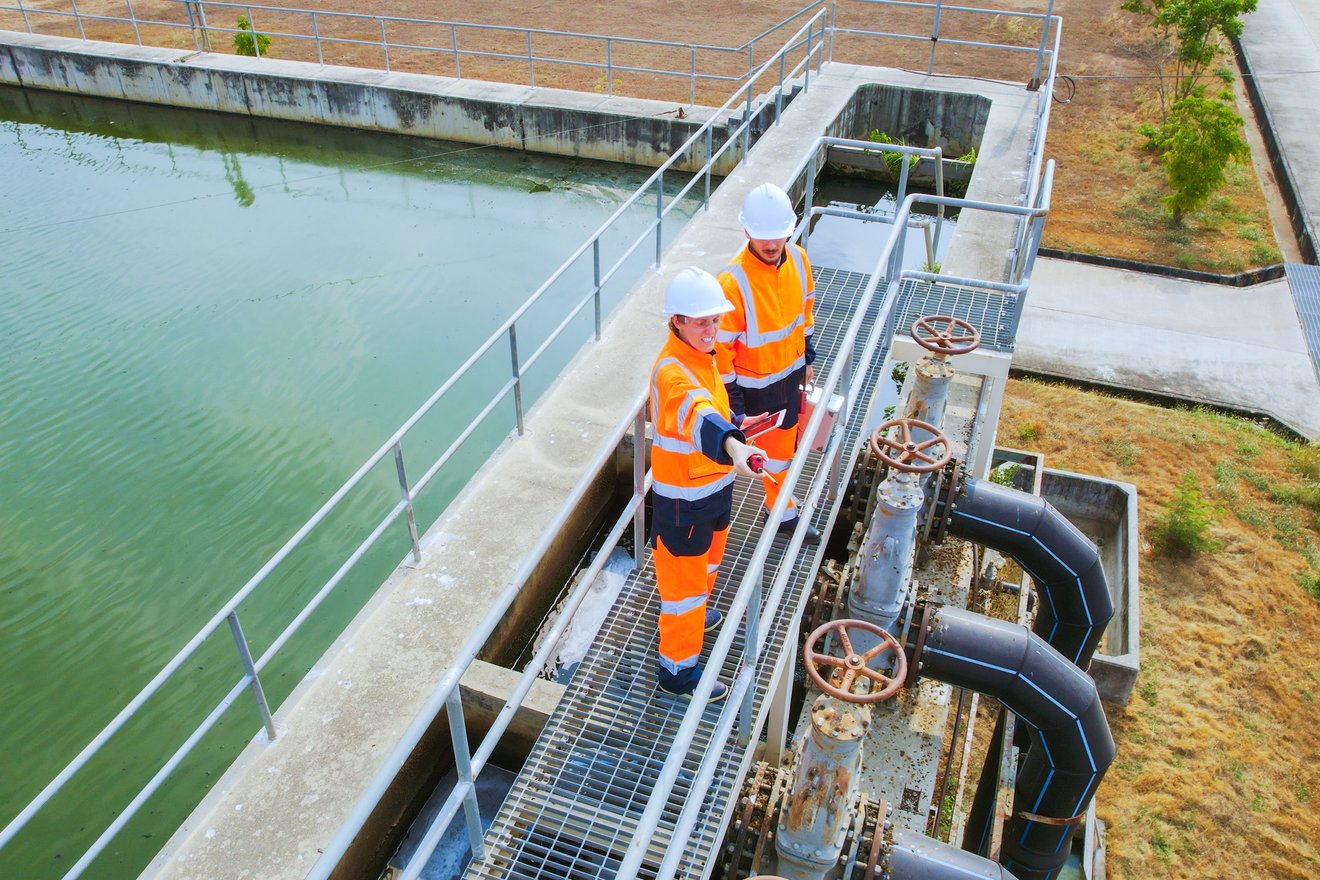
A major UK water utility company relied on reactive maintenance for critical assets such as centrifuges. Long repair times, averaging 24 days, and reactive maintenance caused millions in lost annual revenue with the knock-on effect of additional tankering costs. This was further complicated by a strained relationship with the supplier and a complex purchasing process, as unclear accountability and long approval cycles delayed critical repairs.
The approach: From reactive fixes to proactive management
Efficio worked with the client to redefine their asset maintenance category plan, reevaluating where there would be value in moving away from reactive maintenance models. Efficio worked with the supplier to redefine contract terms, creating a collaborative, performance-based model. A ‘traffic light’ grading system was introduced to monitor asset health, supported by clear maintenance responsibilities and proactive inspection schedules. Supplier payments were linked directly to uptime, incentivising sustained asset performance and encouraging joint problem-solving.
The impact: Faster repairs, lower costs, and zero critical failures
cost reduction
reduction in average repair times, to 1.3 days
The programme reduced annual maintenance costs by 33% due to the complete removal of critical asset failures, and cut repair times by 80% to 1.3 days. Asset availability rose from 91.7% to 99.7%, protecting critical income streams and reducing operational disruption.
By embedding a total care maintenance package and shared accountability, the initiative strengthened supplier relationships – an approach so successful that it and was eventually rolled out across additional operational areas.
Download PDF