- Title
-
The Middle East conflict: What supply chain and procurement leaders should do now
- Section
- Blog
- Summary
Published on 16 March 2026
By Matthew Lekstutis
Escalating military activity involving the United States, Israel, and Iran is introducing significant disruption across global logistics networks and commodity markets. For organizations operating in or trading through the Middle East and North Africa (MENA) region, the implications extend well beyond regional security concerns. In fact, the International Energy Agency (IEA) has called it “the largest supply disruption in the history of the global oil market.”
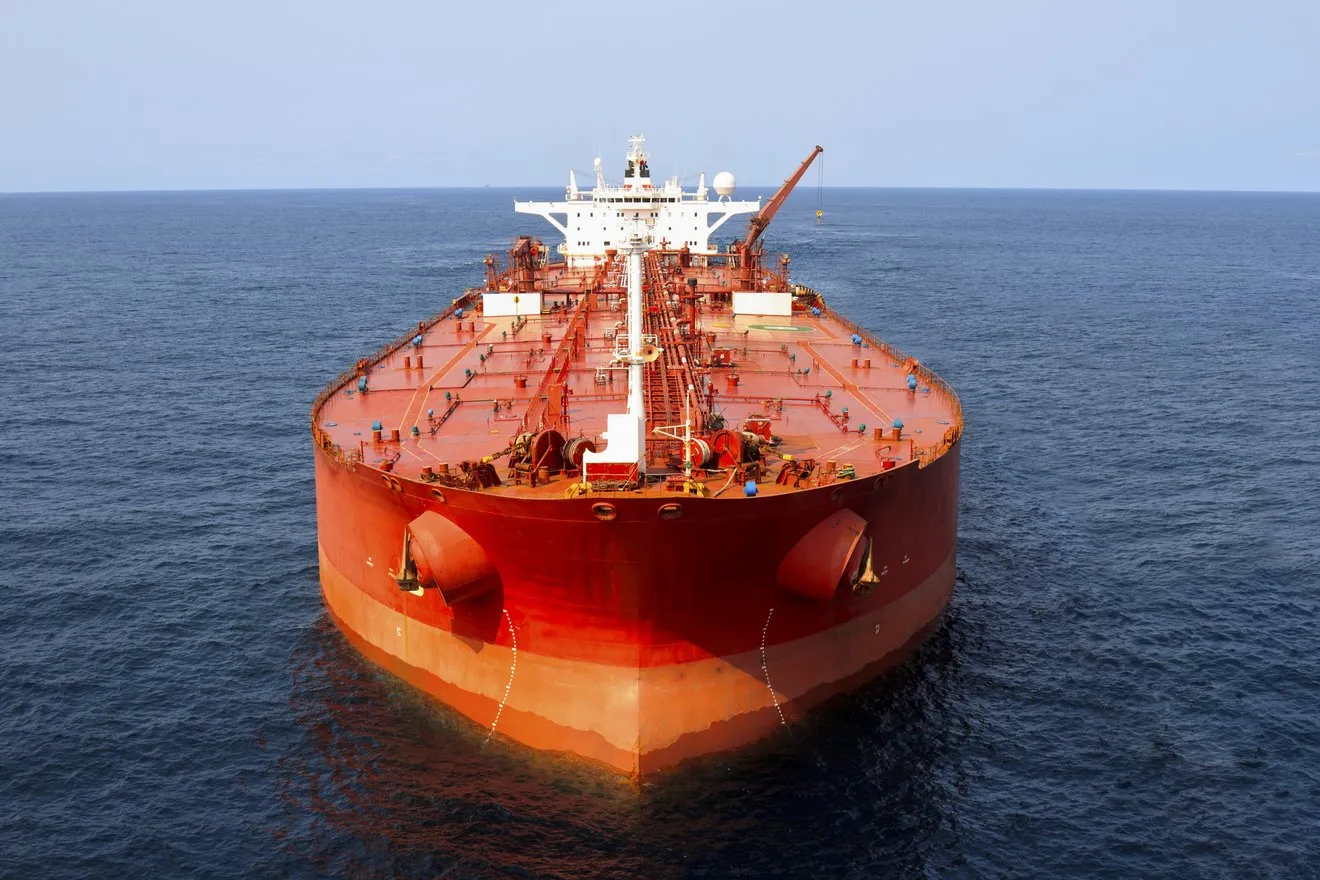
The most immediate impacts are being felt across critical supply chain infrastructure. Maritime access through the Strait of Hormuz is largely shutdown to liquefied natural gas (LNG) and non-Iranian tankers, shipping routes are being rerouted, and airspace restrictions are reducing cargo capacity. At the same time, energy market volatility is already feeding through into freight costs, everyday fuel prices and commodity prices.
For supply chain and procurement leaders, the challenge is clear: geopolitical disruption can quickly cascade into higher landed costs, reduced logistics reliability, and greater risk of supply interruption. If tensions persist, these pressures are likely to intensify. Organizations that act early to understand their exposure and secure alternatives will be best positioned to protect both continuity and cost competitiveness.
Why this conflict matters for global supply chains
The Strait of Hormuz is one of the world’s most critical maritime chokepoints. Roughly 20% of the world’s oil supply passes through the strait, linking Gulf energy producers with markets across Asia and Europe. Even partial disruption to vessel movement creates immediate uncertainty across shipping and energy markets.
However, this is not simply an oil story.
The corridor also supports 20% of the global flows of LNG and other upstream industrial inputs that sit much higher in supply chains than many organizations realize. LNG is particularly important because, unlike oil, it is tied to specific liquefaction and regasification infrastructure and offers far less flexibility when disruption occurs. Many power generation and manufacturing systems, particularly in Asia, depend on consistent LNG supply and cannot easily substitute alternative fuels.
This makes disruption potentially more acute in specific sectors and regions than oil markets alone would suggest.
At the same time, shipping disruption in the region is already forcing carriers to reconsider routes. Some vessels are avoiding high-risk corridors and sailing around the Cape of Good Hope rather than using the Suez Canal. This adds roughly 10–14 days to transit times, reducing schedule reliability and increasing working capital requirements as companies carry additional inventory to buffer delays.
Air cargo is also affected. Airspace restrictions across parts of the Middle East are forcing airlines to reroute aircraft, increasing flight distances and temporarily reducing global cargo capacity.
Taken together, these developments create a supply chain environment characterized by longer lead times, higher logistics costs, and greater uncertainty across transport networks and commodity markets.